
Volunteering: The Heart of Non-Profit Organizations
- wolfstarpr

- May 14
- 5 min read
Volunteering is often described as the lifeblood of non-profit organizations. Without the dedication and passion of volunteers, many non-profits would struggle to fulfill their missions and serve their communities effectively. In this blog post, we will explore the vital role that volunteering plays in non-profit organizations, the benefits it brings to both the volunteers and the organizations, and how individuals can get involved in meaningful ways.
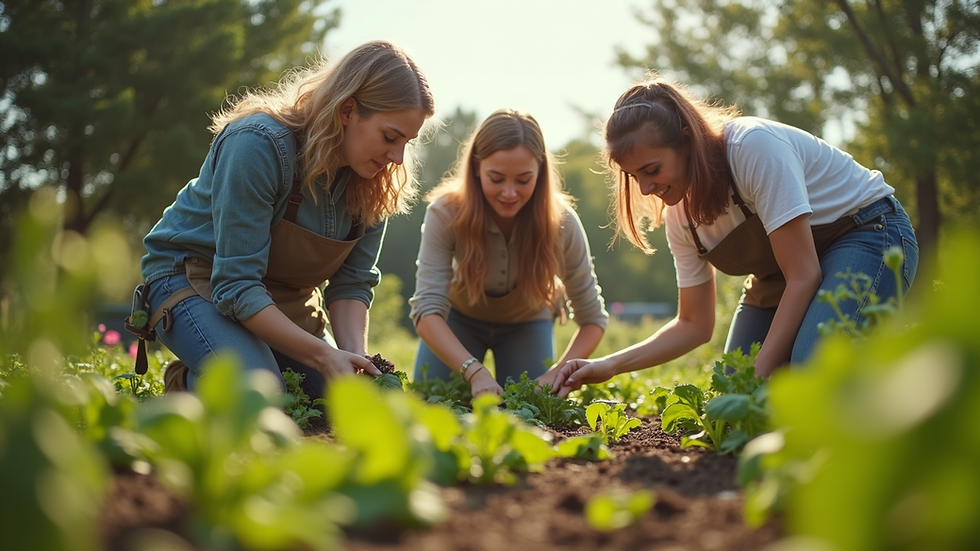
The Importance of Volunteering in Non-Profits
Non-profit organizations exist to address various social issues, from poverty and education to health care and environmental conservation. Volunteers are essential to these organizations for several reasons:
1. Resource Availability
Many non-profits operate on tight budgets and limited resources. Volunteers provide essential support that allows these organizations to extend their reach and impact. For instance, a local food bank may rely on volunteers to sort and distribute food, enabling them to serve more families in need.
2. Community Engagement
Volunteering fosters a sense of community. When individuals come together to support a cause, they build connections and strengthen relationships within their neighborhoods. This engagement can lead to increased awareness of local issues and inspire others to get involved.
3. Skill Development
Volunteering offers individuals the opportunity to develop new skills and gain valuable experience. Whether it's learning how to organize events, manage projects, or communicate effectively, volunteers often leave with skills that enhance their personal and professional lives.
4. Advocacy and Awareness
Volunteers often become advocates for the causes they support. Their firsthand experiences can help raise awareness and promote understanding of important social issues. This advocacy can lead to increased support and funding for non-profit organizations.
Benefits of Volunteering
Volunteering is not just beneficial for non-profits; it also offers numerous advantages for the volunteers themselves. Here are some key benefits:
1. Personal Fulfillment
Many volunteers find a deep sense of satisfaction in helping others. Contributing to a cause they care about can provide a sense of purpose and fulfillment that enhances their overall well-being.
2. Networking Opportunities
Volunteering can open doors to new connections and friendships. Volunteers often meet like-minded individuals who share their passions, leading to lasting relationships and potential career opportunities.
3. Enhanced Mental Health
Research has shown that volunteering can improve mental health by reducing stress and anxiety. Engaging in meaningful activities can boost mood and increase feelings of happiness.
4. Career Advancement
For those looking to enhance their resumes, volunteering can be a valuable addition. It demonstrates commitment, initiative, and a willingness to learn, making volunteers more attractive to potential employers.
How to Get Involved
Getting involved in volunteering is easier than ever. Here are some steps individuals can take to find opportunities that align with their interests:
1. Identify Your Passion
Consider what causes resonate with you. Whether it's animal welfare, education, or environmental conservation, identifying your passion will help you find a non-profit that aligns with your values.
2. Research Local Organizations
Look for non-profits in your community that focus on your area of interest. Many organizations have websites that list volunteer opportunities, upcoming events, and ways to get involved.
3. Attend Volunteer Fairs
Volunteer fairs are excellent places to meet representatives from various organizations and learn about their missions. These events often provide information on how to get started and what types of volunteer roles are available.
4. Start Small
If you're unsure about committing to a long-term role, consider starting with a one-time event or project. This allows you to gauge your interest and see if the organization is a good fit for you.
5. Spread the Word
Encourage friends and family to join you in volunteering. Sharing your experiences can inspire others to get involved and create a ripple effect of community engagement.
Challenges Faced by Non-Profit Organizations
While volunteering is crucial for non-profits, these organizations also face several challenges that can impact their ability to recruit and retain volunteers:
1. Limited Resources for Training
Many non-profits lack the resources to provide comprehensive training for volunteers. This can lead to a lack of confidence among new volunteers and hinder their effectiveness.
2. High Turnover Rates
Volunteers often have busy lives, and their availability can fluctuate. High turnover rates can disrupt programs and create challenges in maintaining continuity.
3. Burnout
Dedicated volunteers may experience burnout if they take on too much responsibility. Non-profits must ensure that volunteers are supported and not overwhelmed.
4. Competition for Attention
With numerous non-profits vying for volunteers, it can be challenging for organizations to stand out and attract individuals to their cause.
Successful Volunteer Programs
Some non-profits have developed successful volunteer programs that effectively engage and retain volunteers. Here are a few examples:
1. Habitat for Humanity
Habitat for Humanity is known for its strong volunteer base. The organization offers hands-on opportunities for individuals to help build homes for families in need. Volunteers receive training and support, creating a rewarding experience that encourages repeat participation.
2. The Red Cross
The Red Cross has a diverse range of volunteer opportunities, from disaster response to blood donation drives. Their comprehensive training programs equip volunteers with the skills needed to make a meaningful impact in their communities.
3. Big Brothers Big Sisters
This mentoring program pairs volunteers with at-risk youth, providing guidance and support. The organization emphasizes the importance of building strong relationships, which helps retain volunteers and create lasting change in the lives of young people.
The Future of Volunteering in Non-Profits
As society evolves, so do the needs of non-profit organizations and their volunteers. Here are some trends shaping the future of volunteering:
1. Virtual Volunteering
The rise of technology has made it easier for individuals to volunteer remotely. Virtual volunteering opportunities allow people to contribute their skills from anywhere, making it more accessible for those with busy schedules.
2. Corporate Volunteering
Many companies are encouraging employees to volunteer as part of their corporate social responsibility initiatives. This trend not only benefits non-profits but also fosters team-building and employee engagement within organizations.
3. Focus on Diversity and Inclusion
Non-profits are increasingly recognizing the importance of diversity and inclusion in their volunteer programs. By creating welcoming environments for individuals from all backgrounds, organizations can tap into a broader pool of talent and perspectives.
4. Skill-Based Volunteering
Organizations are beginning to seek volunteers with specific skills, such as marketing, finance, or technology. This trend allows non-profits to leverage the expertise of volunteers to enhance their operations and reach.
Conclusion
Volunteering is the heart of non-profit organizations, providing essential support and fostering community engagement. The benefits of volunteering extend beyond the organizations themselves, offering personal fulfillment, networking opportunities, and enhanced mental health for volunteers. By getting involved, individuals can make a meaningful impact in their communities while developing valuable skills and connections.
As we look to the future, the landscape of volunteering will continue to evolve, presenting new opportunities for individuals to contribute to causes they care about. Whether through traditional in-person roles or innovative virtual opportunities, there has never been a better time to get involved and make a difference. So, take the first step today and find a volunteer opportunity that resonates with you. Your time and effort can change lives and strengthen communities.


Comments